Contenido
Posiciona tu ventilador de refrigeración 2-3 pies de distancia de paredes y obstáculos, asegúrese de flujo de aire sin obstáculos tana en el lado de entrada como en el de escape, y limpie los filtros cada 2-4 semanas para un rendimiento óptimo. Para enfriar la habitación, coloque el ventilador cerca de las ventanas durante las horas más frescas de la tarde para crear ventilación cruzada, reduciendo la temperatura interior hasta en 5 °F (2,8 °C) sin aire acondicionado.
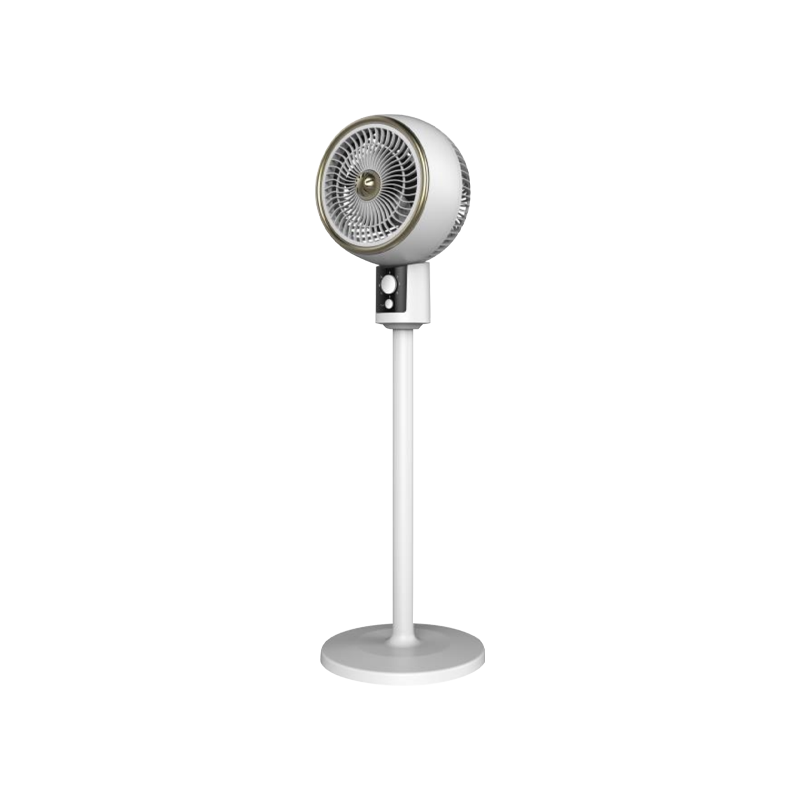
La ubicación estratégica afecta significativamente la efectividad del enfriamiento. Coloque ventiladores de torre o modelos de pedestal en las esquinas para distribuir el aire por toda la habitación. Para los ventiladores de escritorio, colóquelos en un ángulo de 45 grados para crear un flujo de aire circulante en lugar de ráfagas directas. Los ventiladores de ventana deben mirar hacia afuera durante los días calurosos para expulsar el aire caliente y luego invertir la dirección durante la noche para aspirar aire fresco.
Los ventiladores de techo deben colgar 7-9 pies sobre el suelo con cuchillas 10-12 pulgadas por debajo del techo para una circulación de aire óptima. Los ventiladores de piso funcionan mejor cuando están colocados 3-6 pies de las áreas para sentarse , permitiendo que el aire llegue a los ocupantes sin crear ruido o turbulencias excesivas. Mantener al menos 18 pulgadas de espacio libre de las paredes para evitar la restricción del flujo de aire y el sobrecalentamiento del motor.
El mantenimiento regular prolonga la vida útil del ventilador respecto del promedio 5-7 años to 10 años manteniendo la eficiencia energética. La acumulación de polvo en las aspas puede reducir el flujo de aire hasta 30% y aumentar significativamente el consumo de energía.
| Tarea | Frecuencia | Tiempo requerido |
|---|---|---|
| Superficies de la hoja de polvo | Cada 2 semanas | 5-10 minutos |
| Limpiar rejillas de entrada | Mensual | 10-15 minutos |
| Lubricar los cojinetes del motor | Cada 6 meses | 15-20 minutos |
| Limpieza e inspección profunda | Anualmente | 30-45 minutos |
siempre desconecta el ventilador antes de limpiar. Utilice un paño de microfibra o una aspiradora con cepillo para las superficies de las cuchillas. Para la suciedad rebelde, humedezca un paño con una solución de jabón suave; nunca rocíe líquido directamente sobre la carcasa del motor. Deje que todos los componentes se sequen completamente antes de volver a ensamblarlos y operarlos.
Los ventiladores de refrigeración consumen 90% menos energía que las unidades de aire acondicionado. Un ventilador típico de 50 vatios que funciona 8 horas diarias cuesta aproximadamente $1.20-$2.00 mensuales , en comparación con los 30-50 dólares del aire acondicionado central. El uso de ventiladores con aire acondicionado le permite aumentar la configuración del termostato 4°F manteniendo la comodidad, reduciendo los costos de refrigeración hasta en 15-20% .
Opere los ventiladores de techo en sentido antihorario durante el verano para crear efectos de enfriamiento de corriente descendente. Apague los ventiladores al salir de las habitaciones: los ventiladores enfrían a las personas, no a los espacios. Utilice temporizadores programables para hacer funcionar los ventiladores durante las horas de mayor calor (de 2:00 p. m. a 6:00 p. m.), cuando las tarifas de electricidad son más altas, luego confíe en la ventilación natural durante la noche.
Los sonidos de traqueteo generalmente indican tornillos flojos o desequilibrio de las hojas; apriete todos los sujetadores y asegúrese de que las hojas estén limpias y sin daños. Los ruidos de chirrido sugieren un desgaste de los rodamientos que requiere lubricación o reemplazo. Las hojas que se tambalean a menudo se deben a que los brazos de las mismas están doblados; Mida la distancia de la punta de la hoja desde el techo: las variaciones exceden 1/8 de pulgada requieren ajuste.
Si el flujo de aire disminuye significativamente, verifique:
Nunca deje ventiladores funcionando sin vigilancia durante períodos prolongados en las habitaciones de los niños. Asegúrese de que los ventiladores de piso tengan interruptores de protección contra vuelcos que apaga automáticamente la unidad si se cae. Mantenga los cables eléctricos alejados de áreas de mucho tráfico para evitar riesgos de tropiezo. Los ventiladores aptos para exteriores son esenciales para uso en patios; los modelos de interior expuestos a la humedad presentan riesgos de electrocución.
Inspeccione los cables de alimentación mensualmente para detectar cables deshilachados o expuestos. Evite el uso de cables de extensión permanentemente; si es necesario, use calibre 14 o más pesado cables clasificados para el amperaje del ventilador. Nunca cubra los ventiladores en funcionamiento con tela o papel y mantenga Espacio libre de 3 pies de cortinas, ropa de cama u otros materiales combustibles.
Los ventiladores de refrigeración de calidad están diseñados para Operación 24 horas al día, 7 días a la semana con un mantenimiento adecuado. Sin embargo, dar a los motores un período de descanso de 4 a 6 horas cada pocos días prolonga su vida útil. Los ventiladores de grado industrial manejan el funcionamiento continuo mejor que los modelos económicos. Esté atento a señales de sobrecalentamiento: el calor inusual de la carcasa del motor o el olor a quemado indican que es necesario un apagado inmediato.
Sí, utilizar ventiladores de techo con aire acondicionado mejora la comodidad y la eficiencia. El efecto de sensación térmica permite ajustar el termostato. 3-4 grados más alto sin sacrificar la comodidad. Esta combinación reduce el tiempo de funcionamiento de CA en aproximadamente 20-30% . Recuerde apagar los ventiladores de techo cuando las habitaciones estén desocupadas, ya que no reducen la temperatura real de la habitación.
Haga coincidir el diámetro del ventilador con los pies cuadrados de la habitación para lograr una circulación de aire eficaz:
Los olores a quemado indican preocupaciones de seguridad inmediatas . Las causas comunes incluyen el sobrecalentamiento del motor debido a la acumulación de polvo, condensadores defectuosos o cortocircuitos eléctricos. Desenchufe el ventilador inmediatamente e inspeccione si hay daños visibles. Si el olor persiste después de limpiarlo y enfriarlo, deje de usarlo; el reemplazo del motor a menudo cuesta más que el reemplazo de los ventiladores domésticos estándar.
Utilice únicamente ventiladores específicamente clasificados para uso en exteriores (lugares húmedos o mojados). Los ventiladores de interior expuestos a la humedad corren el riesgo de sufrir riesgos eléctricos y una rápida corrosión. Los ventiladores aptos para exteriores cuentan con motores sellados, carcasas resistentes a la intemperie y enchufes compatibles con GFCI. Incluso los modelos para exteriores requieren protección contra la lluvia directa: use áreas de patio cubiertas o compre ventiladores con clasificación de resistencia al agua IPX4 o superior.


No.1015 Guanfu Road, ciudad de Fuhai, ciudad de Cixi, Zhejiang, China

+86 134-8601-6220



Derechos de autor © Cixi Bisheng Electrodomésticos Co., Ltd. Reservados todos los derechos.
Fabricantes de enfriadores de aire al por mayor




 English
 中文简体
中文简体 Español